How Do I Prevent Injuries in BJJ?
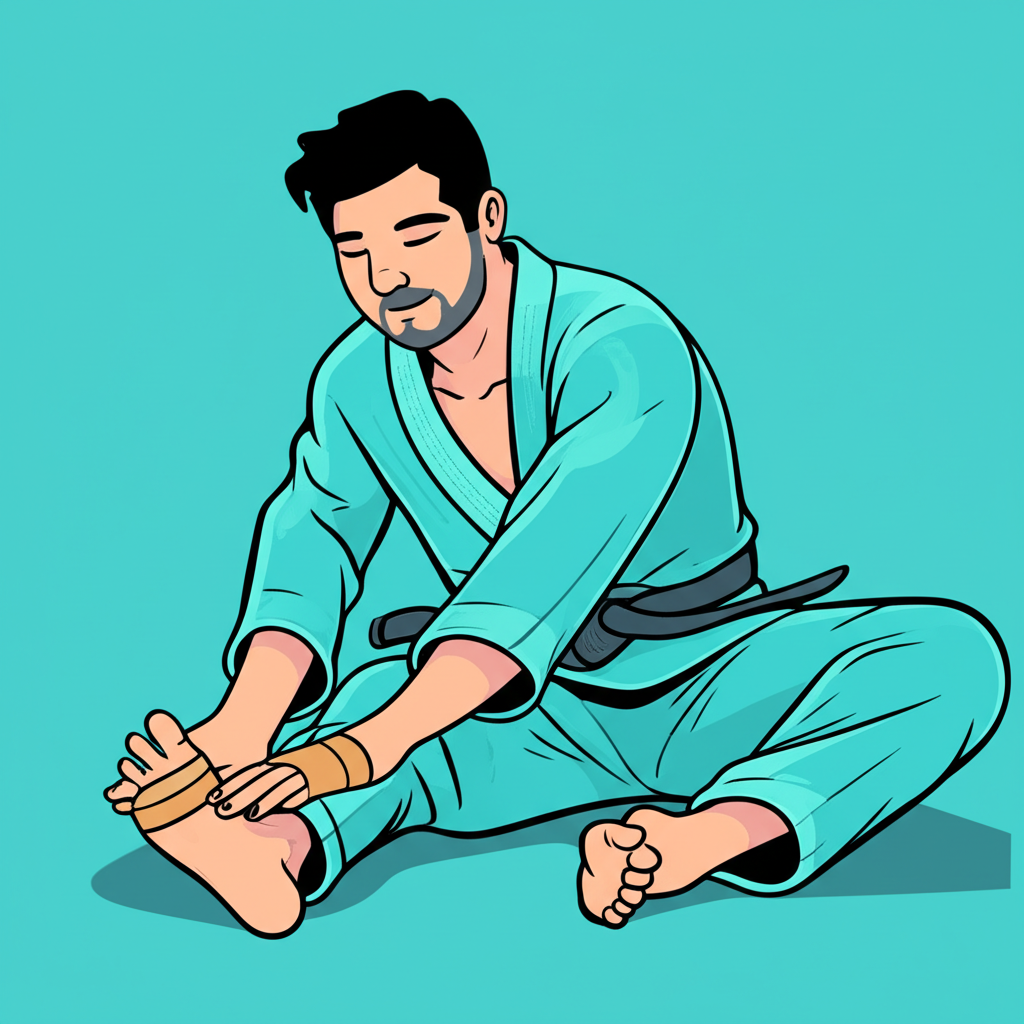
Quick Answer: Prevent injuries by warming up properly, tapping early and often, training with control, respecting your body's limits, and prioritizing recovery. Most BJJ injuries are avoidable with smart training habits.
The Short Answer
Prevent injuries by warming up properly, tapping early and often, training with control, respecting your body's limits, and prioritizing recovery. Most BJJ injuries are avoidable with smart training habits.
The Biggest Injury Risk Factors
Ego
Refusing to tap, trying to "win" every roll, and pushing through pain causes more injuries than anything else.
Fatigue
Tired bodies make mistakes. Know when you're too exhausted to train safely.
Poor Conditioning
Weak muscles and limited flexibility increase injury susceptibility.
Spazzy Training Partners
New practitioners don't know their own strength. Be aware and protect yourself.
Ignoring Warning Signs
That little twinge becomes a major injury if you keep training on it.
Pre-Training Prevention
Warm Up Properly
Never roll cold. Your warm-up should include:
- Light cardio (5-10 minutes)
- Dynamic stretching
- Movement drills (shrimping, bridging, granby rolls)
- Light positional drilling
Assess Your Body
Before training, ask:
- Am I too tired to train safely?
- Is anything sore or painful?
- Did I sleep and eat adequately?
Tape Vulnerable Areas
If you have sensitive fingers, toes, or prior injuries, tape them preventatively.
During Training Prevention
Tap Early, Tap Often
The tap exists for a reason. There's no submission you should let hurt you. Tap before it hurts.
Communicate with Partners
- "I have a sore shoulder, go easy on that side"
- "Let's flow today"
- "I need to take a break"
Choose Training Partners Wisely
- Roll with people who match your intensity preference
- Avoid people known for being dangerous
- It's okay to decline a roll
Control Your Movements
- No explosive movements without setup
- Don't jump into positions blindly
- Stay aware of limbs (yours and theirs)
Stay Hydrated and Rested
Fatigue leads to sloppy technique and injury. Take breaks when needed.
Position-Specific Prevention
Neck Safety
- Don't bridge through stacks with your neck
- Tap to guillotines before your neck strains
- Strengthen your neck muscles
Knee Safety
- Never let your knee twist while your foot is trapped
- Be careful with de la riva and X-guard entries
- Tap early to heel hooks and leg locks
Shoulder Safety
- Don't reach back wildly when caught in submissions
- Tap to kimuras and americanas before joint damage
- Build shoulder mobility and strength
Finger Safety
- Consider tape for grip-intensive training
- Let go of grips before your fingers get destroyed
- Vary your grip types
Recovery and Longevity
Sleep
7-9 hours is essential for tissue repair and mental recovery.
Nutrition
Protein for muscle repair, anti-inflammatory foods (fish, vegetables), adequate calories.
Active Recovery
Light movement, yoga, swimming, walking on rest days.
Ice and Heat
Ice for acute injuries (first 48 hours), heat for chronic tightness.
Listen to Your Body
Minor soreness is normal. Sharp pain is not. Know the difference.
Strength Training for Prevention
Key Areas
- Core strength (protects spine)
- Rotator cuff (protects shoulders)
- Hamstrings and hip flexors (protects knees)
- Grip (protects fingers)
Mobility Work
Regular stretching and mobility routines prevent stiffness-related injuries.
When Prevention Fails
Despite best efforts, injuries happen. When they do:
- Stop training immediately
- Ice and elevate if applicable
- See a doctor for anything significant
- Don't rush back before you're healed
The Long Game
BJJ is a lifelong practice. There's no prize for destroying your body by age 35. Train smart, train consistently, and you'll be rolling for decades.
RELATED QUESTIONS
When Should I Train Through Pain?
Understanding the difference between discomfort and injury, and when to push through versus when to rest.
How Do I Deal with Cauliflower Ear?
Understanding cauliflower ear - prevention, treatment, and what to do if it happens.
How Long Does It Take to Recover from Common BJJ Injuries?
Recovery timelines for common BJJ injuries and guidelines for returning to training safely.
TRACK YOUR BJJ PROGRESS
Log training, track techniques, and see your improvement over time.
Try BJJChat Free