How Do I Deal with Cauliflower Ear?
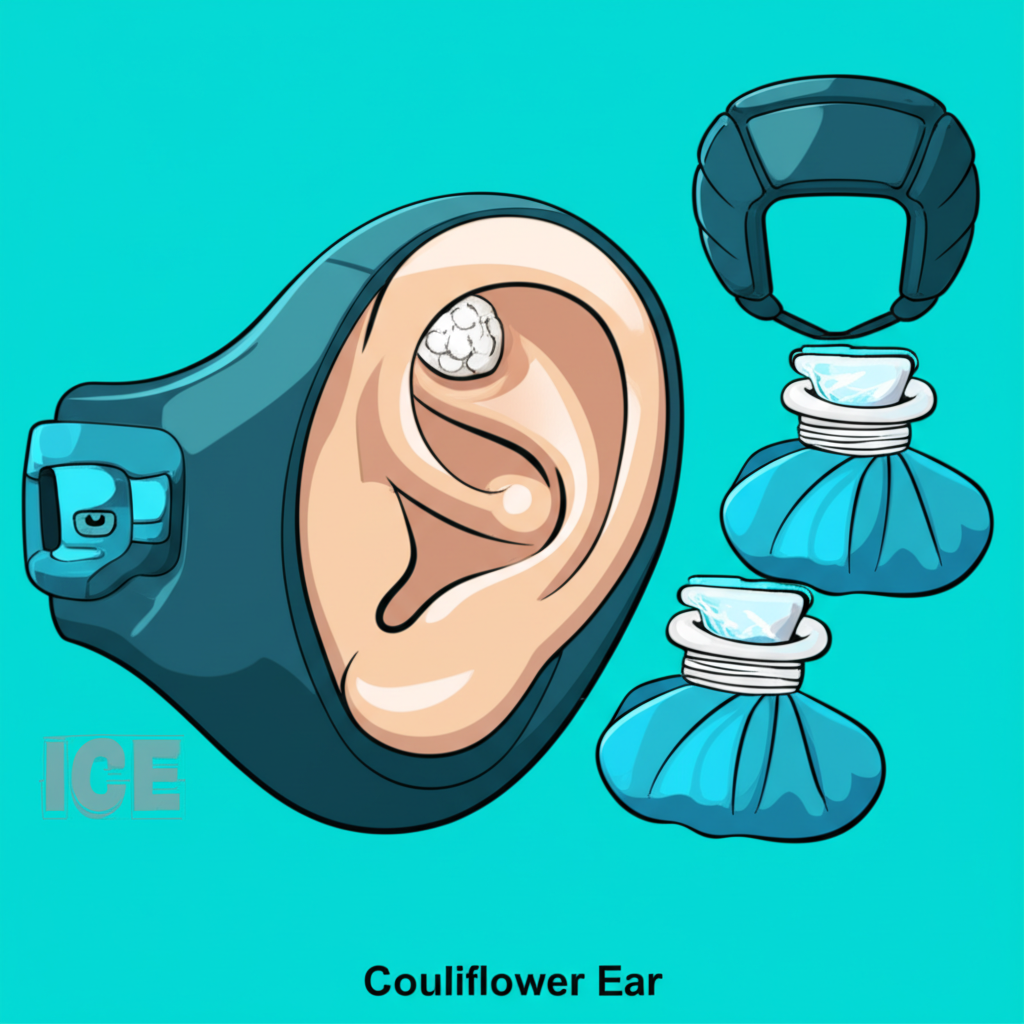
Quick Answer: Cauliflower ear is caused by trauma to the ear that separates the skin from the cartilage, filling with blood. Prevention involves headgear and avoiding friction on your ears. Treatment (if caught early) involves draining and compression.
The Short Answer
Cauliflower ear is caused by trauma to the ear that separates the skin from the cartilage, filling with blood. Prevention involves headgear and avoiding friction on your ears. Treatment (if caught early) involves draining and compression.
What Is Cauliflower Ear?
The Medical Explanation
When your ear experiences trauma (friction, impact, or pressure), blood can pool between the cartilage and skin. This creates a hematoma. If left untreated, the blood hardens, and new tissue forms, creating the characteristic lumpy appearance.
Why It's Called Cauliflower Ear
The hardened, bumpy appearance resembles a cauliflower. It's permanent once the tissue has hardened.
Is It Dangerous?
Not usually. It's mostly cosmetic. However, severe cases can:
- Block the ear canal
- Make wearing earbuds uncomfortable
- Be susceptible to re-injury
Prevention
Wear Headgear
The most effective prevention. Wrestling headgear or BJJ-specific ear guards protect against friction and impact.
Popular options:
- Cliff Keen wrestling headgear
- Matman ear guards
- Venum ear guards
Improve Your Technique
Cauliflower ear often comes from:
- Grinding your head to escape headlocks
- Ripping through guillotines incorrectly
- Poor head positioning
Better technique = less ear trauma.
Don't Rip Through Submissions
If caught in a headlock or guillotine, tap or escape technically. Don't yank your head through with brute force.
Monitor Early Signs
- Ear feels hot or swollen after training
- Throbbing or tenderness
- Visible puffiness
Catch it early before it hardens.
Treatment (Act Fast!)
The Window
You have 24-48 hours before the blood begins to harden. After that, treatment becomes much more difficult.
Step 1: Drain the Hematoma
Professional Option (Recommended) See a doctor who will:
- Drain the blood with a needle
- Apply pressure dressing
- Possibly stitch the skin down to cartilage
DIY Option (At Your Own Risk) Some practitioners drain their own ears. This carries infection risk. If you choose this:
- Sterilize everything
- Use proper needles
- Know the signs of infection
Step 2: Apply Compression
After draining, the ear needs pressure to prevent re-filling:
- Medical compression clips
- Magnets on both sides of ear
- Stitching by a doctor
- Tight headgear
Compression should stay on for several days.
Step 3: Don't Train on It
The ear needs time to heal. Training too soon means reinjury and you're back to square one.
What If It's Already Hardened?
Accept It
Once it's hardened, cauliflower ear is permanent without surgery.
Surgical Options
Otoplasty can reshape the ear, but:
- It's expensive
- Recovery time
- May still reoccur if you keep training
Embrace It
Many BJJ practitioners consider cauliflower ear a badge of honor. It shows you train.
Living with Cauliflower Ear
Earbuds/Headphones
Regular earbuds may not fit. Consider:
- Over-ear headphones
- Bone conduction headphones
- Wireless earbuds with varied tip sizes
Further Protection
Once you have cauliflower ear, it's more susceptible to injury. Consider wearing headgear to prevent worsening.
The Debate: Headgear or Not?
Arguments for Headgear
- Prevents cauliflower ear entirely
- Protects existing ear issues
- No cosmetic concerns
Arguments Against
- Can be uncomfortable
- Gives opponents grips/handles
- Some gyms don't allow it
- "Embrace the journey"
The Reality
Personal choice. No one can tell you what to prioritize.
Quick Reference
| Situation | Action | |-----------|--------| | Ear hot/puffy after training | Ice, monitor for 24 hours | | Visible swelling within 24 hours | Drain and compress immediately | | Swelling that won't drain | See a doctor | | Already hardened | Accept or consider surgery | | Want to prevent entirely | Wear headgear |
The Bottom Line
Cauliflower ear is a real consequence of grappling. If you want to avoid it, wear headgear and improve your technique. If you get it, act fast - you have a small window to drain and prevent permanent change.
Either way, it's not the end of the world. Many world champions have lumpy ears and do just fine.
RELATED QUESTIONS
How Do I Prevent Injuries in BJJ?
Practical strategies to minimize injury risk while training BJJ, from warm-ups to recovery.
What Gear Do I Need to Start BJJ?
Essential and optional gear for BJJ training - what you actually need vs. what can wait.
When Should I Train Through Pain?
Understanding the difference between discomfort and injury, and when to push through versus when to rest.
TRACK YOUR BJJ PROGRESS
Log training, track techniques, and see your improvement over time.
Try BJJChat Free