How Do I Deal with Mat Burn?
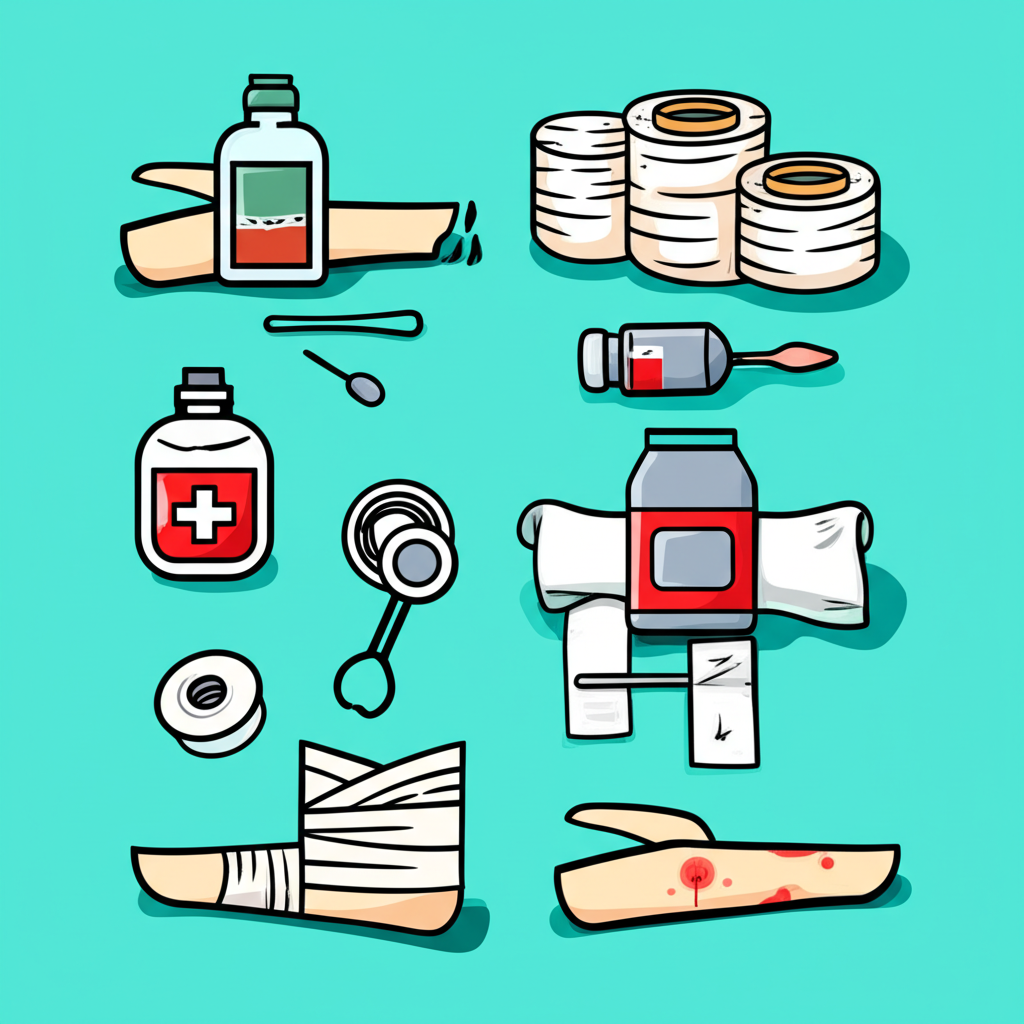
Quick Answer: Mat burn is friction-caused skin abrasion from sliding on mats. Prevent it with rash guards and long spats. Treat it by keeping the wound clean, applying antiseptic, and covering it until healed.
The Short Answer
Mat burn is friction-caused skin abrasion from sliding on mats. Prevent it with rash guards and long spats. Treat it by keeping the wound clean, applying antiseptic, and covering it until healed.
What Is Mat Burn?
The Simple Explanation
Mat burn happens when your skin slides across the mat surface with enough friction to remove the outer skin layer. It's essentially a friction-caused abrasion or "rug burn."
Common Mat Burn Locations
- Tops of feet
- Knees
- Elbows
- Toes
- Shoulders (in no-gi)
Why It Happens
- Fast movements across the mat
- Skin exposed to mat surface
- Dry mats increase friction
- New practitioners move inefficiently
Prevention
Wear Coverage
The simplest prevention - cover your skin:
- Feet: Train in spats or long gi pants tucked into socks
- Knees: Spats, knee pads, or long pants
- Elbows: Long-sleeve rash guards
- Shoulders: Rash guard, not tank tops
Improve Technique
Mat burn often results from inefficient movement:
- Learn to shrimp properly (push with feet, not drag)
- Don't slide unnecessarily
- Move your whole body, not just skin against mat
Mat Condition Matters
- Cleaner mats = less friction
- Some mat types are more abrasive
- Alert your gym if mats are damaged or rough
Tape Vulnerable Areas
If you know your tops of feet or toes get burned, tape them before class.
Treatment
Immediate Care
Step 1: Clean the Wound
- Rinse with clean water
- Gently wash with mild soap
- Pat dry (don't rub)
Step 2: Apply Antiseptic
- Neosporin or similar
- Tea tree oil (natural alternative)
- Prevents bacterial infection
Step 3: Cover It
- Non-stick bandage or gauze
- Athletic tape to secure
- Change daily or when wet/dirty
Ongoing Care
Keep It Clean
- Wash before and after training
- Reapply antiseptic and fresh bandage
Monitor for Infection Signs of infection:
- Increasing redness
- Warmth around wound
- Pus or unusual discharge
- Red streaks spreading from wound
- Fever
If infected, see a doctor.
Let It Heal
- Mat burn typically heals in 5-10 days
- Don't pick at scabs
- Keep moist but clean
Training with Mat Burn
Cover It Properly
- Clean wound
- Apply antiseptic
- Non-stick bandage
- Tape securely (won't come off during rolling)
Protect the Area
- Wear coverage over the bandage
- Spats, long sleeves, etc.
Don't Train Open Wounds
Open wounds on the mat are:
- Infection risk for you
- Potential transmission risk to others
- Gym hygiene concern
When in doubt, cover completely or skip training.
Skin Infection Awareness
Mat burn creates an entry point for bacteria. BJJ mats can harbor:
- Staph (including MRSA)
- Ringworm
- Impetigo
- Other skin infections
Protection Protocol
- Always shower immediately after training
- Never share towels
- Wash training gear after every session
- Don't train with open wounds
- Report any suspicious skin changes to your doctor
Products That Help
For Prevention
- Quality rash guards
- Spats/leggings
- Knee pads
- Athletic tape
- Skin lubricants (some use them on feet)
For Treatment
- Neosporin or triple antibiotic ointment
- Defense Soap (antibacterial)
- Tegaderm or hydrocolloid bandages
- Athletic tape
- Non-stick gauze
Long-Term Skin Adaptation
Good News
Your skin toughens up over time. Areas that frequently contact the mat develop thicker skin and calluses. Long-term practitioners get mat burn much less frequently.
Timeline
- First few months: Frequent mat burn
- 6-12 months: Occasional mat burn
- Years in: Rare, usually from unusual movements
The Bigger Picture
Mat burn is annoying but not serious. It's a rite of passage for new practitioners. Focus on prevention through coverage and technique, treat what happens properly, and know it gets better with time.
Don't let minor skin irritation stop you from training - just handle it responsibly.
RELATED QUESTIONS
How Do I Prevent Injuries in BJJ?
Practical strategies to minimize injury risk while training BJJ, from warm-ups to recovery.
What Gear Do I Need to Start BJJ?
Essential and optional gear for BJJ training - what you actually need vs. what can wait.
When Should I Train Through Pain?
Understanding the difference between discomfort and injury, and when to push through versus when to rest.
TRACK YOUR BJJ PROGRESS
Log training, track techniques, and see your improvement over time.
Try BJJChat Free