How Do I Roll with Bigger Opponents?
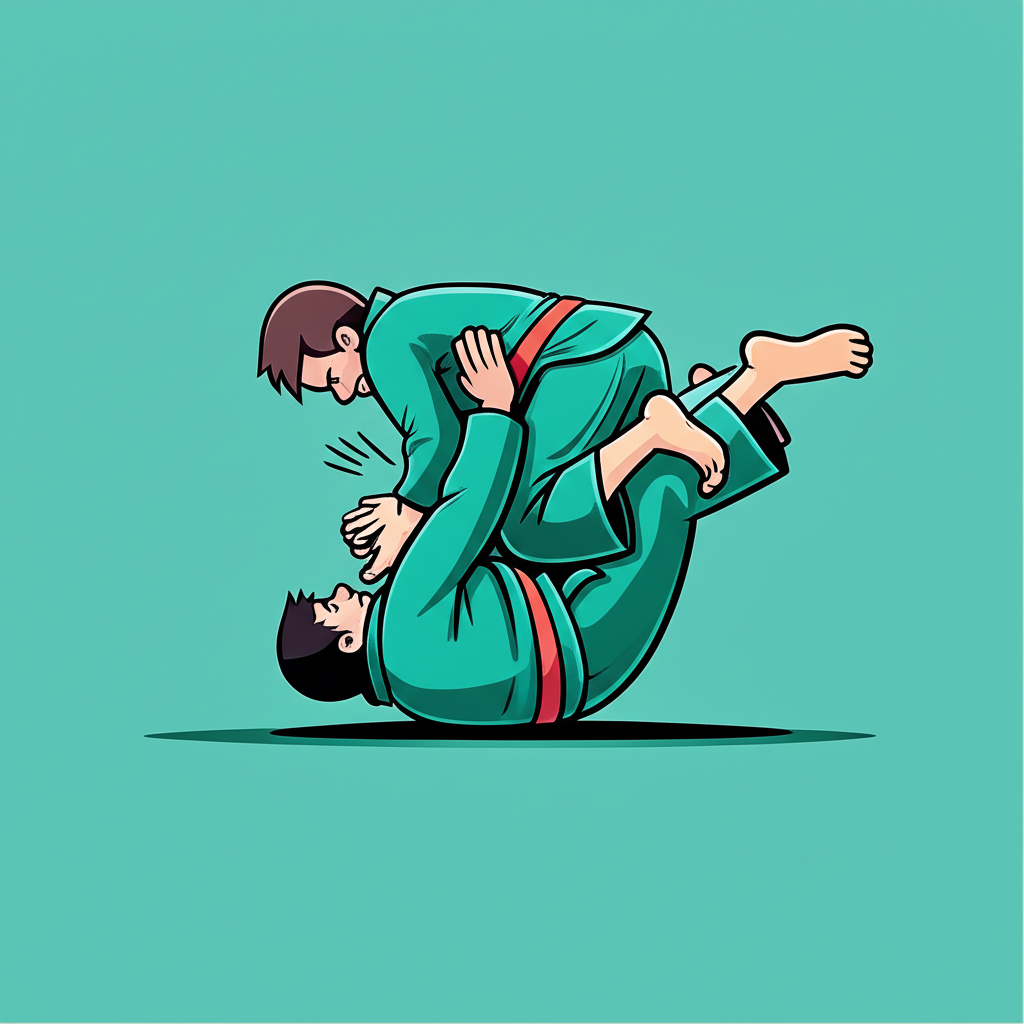
Quick Answer: Against bigger opponents, prioritize speed and angles over strength, focus on position before submission, master your escapes, and choose guards that create distance or control their posture.
The Short Answer
Against bigger opponents, prioritize speed and angles over strength, focus on position before submission, master your escapes, and choose guards that create distance or control their posture.
The Reality Check
Let's be honest: size matters in grappling. A much larger, equally skilled opponent will be difficult to handle. But BJJ was designed to help smaller people deal with size, and these strategies genuinely work.
Fundamental Principles
Speed Over Strength
You can't match their power, so don't try. Move faster, transition quicker, hit techniques before they set their weight.
Position Before Submission
Against bigger people, establishing and maintaining good position is even more important. An armbar attempt that fails against someone much larger often ends with you getting smashed.
Patience
Don't panic under pressure. Wait for openings rather than fighting desperately.
Frames and Distance
Create barriers between you and their pressure. Good frames buy you time and space.
Best Guards Against Bigger Opponents
Closed Guard
When it's locked, their size advantage is somewhat neutralized. They can't pass while your legs are around them.
De La Riva / Collar Sleeve
These guards create distance and give you lever arms (their own legs) to manage their movement.
Lasso Guard
The lasso grip can control a larger person's arm effectively and set up sweeps.
Butterfly Guard
Hook their legs and use their forward pressure against them. Bigger people often fall forward too eagerly.
Avoid: Half Guard Bottom
Being flat in half guard under a much bigger person is miserable. If you play half guard, use knee shield to create space.
Passing Bigger Opponents
Speed Passes
Toreando, leg drag, and long-step passes work well. Get around their legs before their weight settles.
Don't Get Stuck
If a pass stalls against a bigger person, disengage and try again. Getting stuck in the middle = getting swept or reversed.
Use Their Aggression
If they're grabbing at you, redirect their energy into your passing movements.
Submissions That Work
Chokes Over Joint Locks
Bigger people can sometimes muscle out of armbars. Chokes don't care about strength - once it's sunk, it's sunk.
Attacks from Back Control
Getting the back eliminates most of their size advantage. Work toward back takes.
Guillotines
When they shoot or drive into you, the guillotine is available and effective.
Leg Locks
Leg attacks can level the playing field. Their bigger legs are still vulnerable to heel hooks and kneebars.
Survival Strategies
Master Side Control Escapes
You will get put in side control. Get very good at escaping it calmly.
Breathe Strategically
When they're on top, you need to manage your breathing under pressure. Don't hold your breath.
Choose Your Battles
Sometimes surviving is winning. Not every roll needs to be offensive.
Create Space Constantly
Never stop hip escaping, framing, and creating space. The moment you rest, their weight settles.
Mental Approach
It's Good Training
Rolling with bigger people makes you technically better. Appreciate the learning opportunity.
Adjust Expectations
You might not submit the 250lb blue belt as a 150lb white belt. Surviving and escaping are victories.
Don't Get Frustrated
Size advantages are part of reality. Techniques that work against smaller people require adjustment.
Ask Bigger Partners to Flow
Especially when there's a huge size difference, suggesting a lighter pace is completely acceptable.
Common Mistakes
Matching Force
Trying to bench press them off you. This exhausts you instantly.
Giving Up Position
Getting frustrated and abandoning good position to attack.
Avoiding Big Rolls
Training only with similar-sized partners limits your development.
Going Too Light
Not committing to techniques because you're intimidated. Commit fully to what you attempt.
The Long Game
As your technique improves, size matters less. Purple and brown belts regularly handle much larger beginners. Trust the process and keep training.
RELATED QUESTIONS
What is the Best Guard for Beginners?
Learn which guard position beginners should focus on first and why closed guard is the foundation of a solid BJJ game.
What's the Best Guard Pass for Beginners?
Learn which guard passing technique beginners should focus on first and the key principles behind effective passing.
How Often Should I Train BJJ?
Find the right training frequency for your goals, schedule, and experience level. From beginner to competitor recommendations.
TRACK YOUR BJJ PROGRESS
Log training, track techniques, and see your improvement over time.
Try BJJChat Free