What is the Best Guard for Beginners?
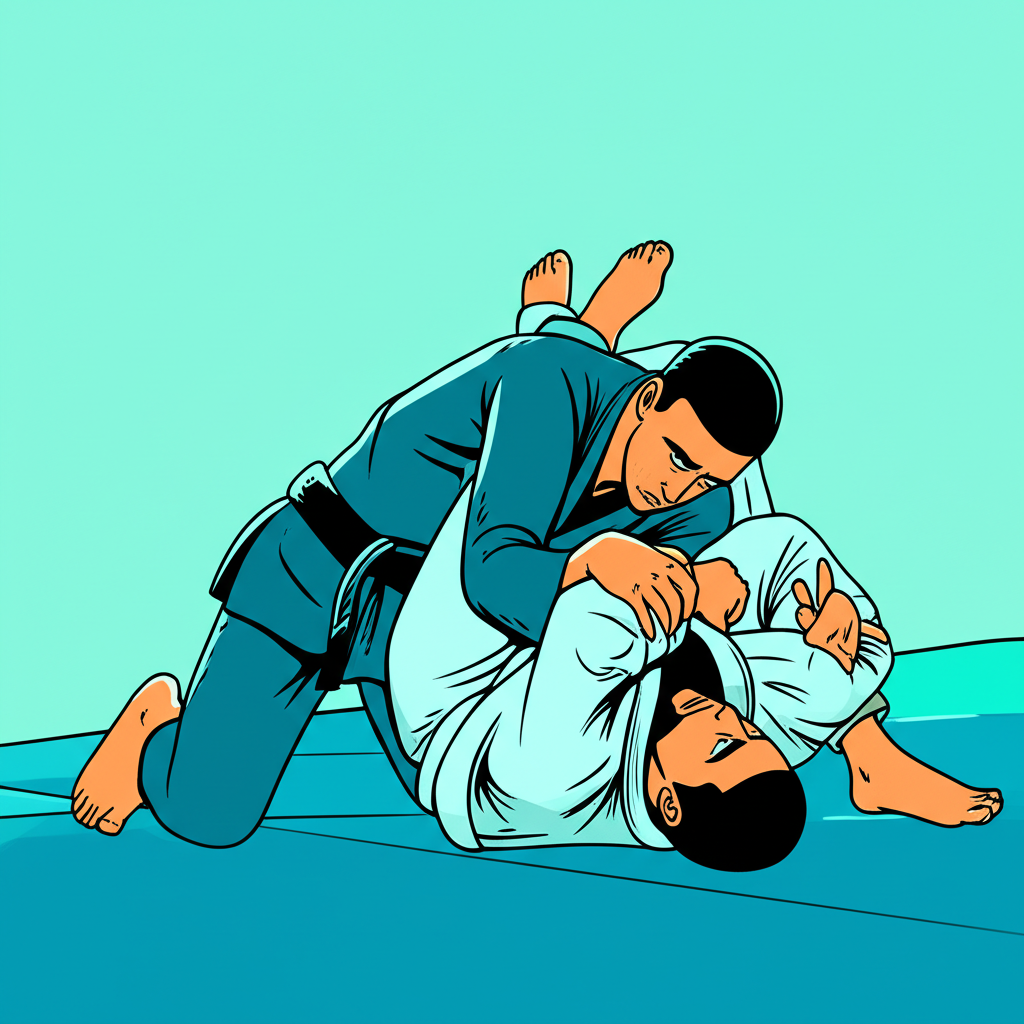
Quick Answer: Closed guard is widely considered the best guard for beginners to learn first. It offers control, safety, and a foundation for understanding BJJ concepts that will serve you throughout your journey.
The Short Answer
Closed guard is widely considered the best guard for beginners to learn first. It offers control, safety, and a foundation for understanding BJJ concepts that will serve you throughout your journey.
Why Closed Guard?
Closed guard is the Swiss Army knife of guards. When you have your legs wrapped around your opponent's waist and your ankles locked, you've created a position that:
- Controls distance - Your opponent can't easily posture up or create space
- Limits their offense - They can't pass your guard while it's closed
- Gives you time to think - The position is stable, so you can plan your next move
Key Concepts to Focus On
Posture Control
Your primary goal in closed guard is breaking your opponent's posture. When their head is down near your chest, their base is compromised and your attacks become much more powerful.
Use your legs to pull them in, grab behind their head or collar, and work to keep them broken down.
Hip Movement
Even in closed guard, hip movement is crucial. Learn to angle your hips to create attack angles and to readjust when your opponent tries to posture up.
The Core Attacks
Start with these fundamental attacks from closed guard:
- Armbar - The classic attack that teaches hip movement and control
- Triangle choke - Develops your leg dexterity and angle creation
- Kimura - Teaches grip fighting and off-balancing
When to Open Your Guard
Eventually you'll need to open your guard to attack or because your opponent breaks it open. Before you start learning open guards, make sure you're comfortable with:
- Maintaining closed guard against resistance
- Breaking posture consistently
- Hitting at least one submission from closed guard
- Recovering guard when it gets passed
Common Beginner Mistakes
Crossing ankles wrong
Make sure your ankles are crossed properly and not resting on their spine - this can lead to ankle locks.
Lying flat
Stay active! Use your hips and legs to off-balance your opponent constantly.
Ignoring grips
Control their sleeves and collar (or wrists in no-gi). Grip fighting starts in closed guard.
The Bottom Line
Master closed guard before moving on to fancy open guards. The concepts you learn - posture control, hip movement, submission mechanics - will make learning every other guard easier. There's a reason black belts still use closed guard effectively.
RELATED QUESTIONS
How Do I Break Someone's Closed Guard?
Essential techniques for breaking closed guard safely and setting up your guard pass in BJJ.
What is Half Guard and How Do I Use It?
Understanding half guard position in BJJ - when to use it, key concepts, and how to make it an offensive weapon.
What's the Best Guard Pass for Beginners?
Learn which guard passing technique beginners should focus on first and the key principles behind effective passing.
TRACK YOUR BJJ PROGRESS
Log training, track techniques, and see your improvement over time.
Try BJJChat Free