How Do I Escape from Mount?
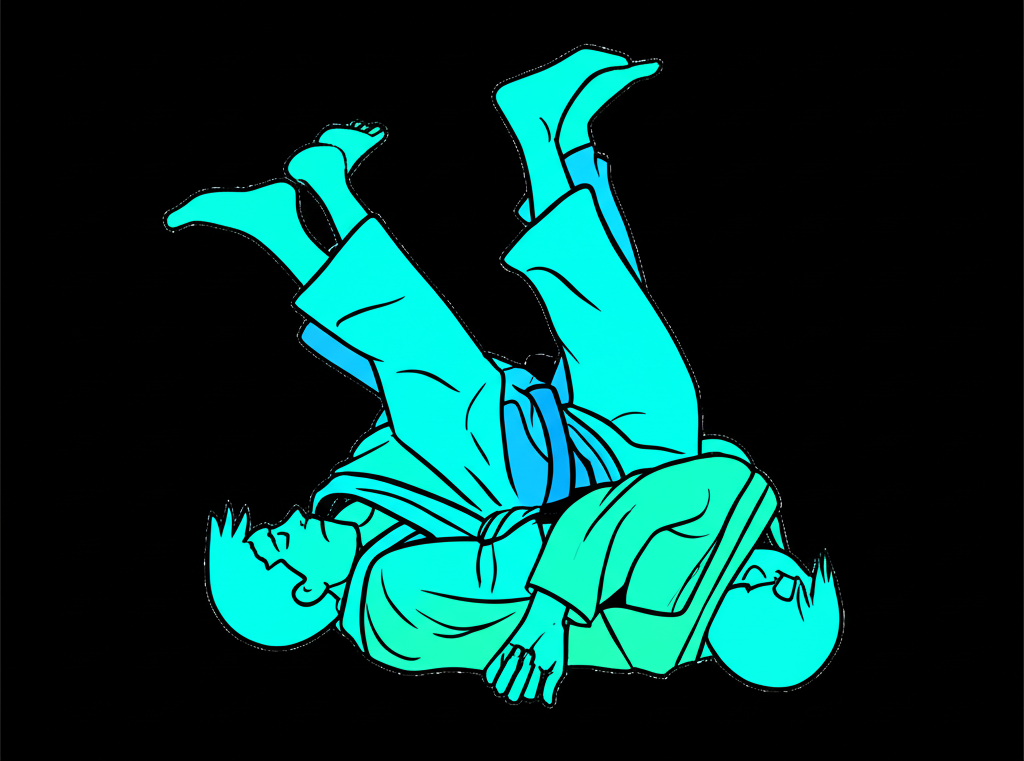
Quick Answer: The two fundamental mount escapes are the trap and roll (upa) and the elbow-knee escape (shrimp). Master both because you'll need them depending on how your opponent is positioned.
The Short Answer
The two fundamental mount escapes are the trap and roll (upa) and the elbow-knee escape (shrimp). Master both because you'll need them depending on how your opponent is positioned.
Why Mount is Dangerous
Mount is one of the worst positions to be in. Your opponent can:
- Land strikes (in MMA/self-defense)
- Set up chokes and armbars
- Transition to other dominant positions
- Rest while you expend energy
That's why escape drills are essential.
The Trap and Roll (Upa)
This is your primary escape when they post high or you can control an arm.
Step 1: Trap the Arm
Control one of their arms at the wrist. Pull it tight to your chest so they can't post.
Step 2: Trap the Foot
On the same side, hook your foot over their ankle. Now they can't base on that side.
Step 3: Bridge and Roll
Explosively bridge your hips upward and roll toward the trapped side. They'll have no base and will flip over.
Step 4: Land in Guard
You should end up in their closed guard. Immediately posture up and begin working to pass.
Key Details
- Bridge UP before you roll over
- Turn your head toward the direction you're rolling
- Keep the arm tight the entire movement
The Elbow-Knee Escape
Use this when they're sitting low or you can't trap an arm.
Step 1: Protect Your Neck
Hands on your chest/face, elbows tight. Don't let them isolate an arm.
Step 2: Create Space
Bridge slightly and frame on their hip with your forearm.
Step 3: Shrimp
Hip escape (shrimp) toward your frame, sliding your bottom knee in between you and them.
Step 4: Extract Your Leg
Once your knee is in, continue shrimping until you can pull your leg fully out.
Step 5: Recover Guard
Establish half guard or full guard as you extract.
Key Details
- Small, repeated shrimps are better than one big one
- The frame on the hip is essential
- Don't forget to breathe
When to Use Each Escape
| Situation | Best Escape | |-----------|-------------| | They're high, hands on mat | Trap and roll | | They're low, hips heavy | Elbow-knee | | They have one arm isolated | Trap and roll the other side | | They're posting with both hands | Elbow-knee |
Common Mistakes
Bucking Without Trapping
If you bridge without controlling their arm and foot, they'll just base and stay mounted.
Flat Shrimps
When shrimping, turn on your side. Shrimping while flat doesn't create enough space.
Panicking
Mount escapes require timing and technique, not spastic movement. Stay calm, protect yourself, wait for your moment.
One and Done
If your first escape attempt fails, immediately try again or switch escapes. Keep moving until you're out.
Preventing Mount
The best mount escape is not getting mounted. Work on:
- Guard retention
- Side control escapes (before they mount)
- Recognizing when they're about to mount
Drilling Mount Escapes
Practice both escapes every class. Start with no resistance, then add progressive resistance. Eventually, train with full resistance - your partner tries to submit you while you escape.
RELATED QUESTIONS
What is the Best Guard for Beginners?
Learn which guard position beginners should focus on first and why closed guard is the foundation of a solid BJJ game.
How Do I Break Someone's Closed Guard?
Essential techniques for breaking closed guard safely and setting up your guard pass in BJJ.
What is Half Guard and How Do I Use It?
Understanding half guard position in BJJ - when to use it, key concepts, and how to make it an offensive weapon.
TRACK YOUR BJJ PROGRESS
Log training, track techniques, and see your improvement over time.
Try BJJChat Free