Starting BJJ After 30: What I Wish I Knew
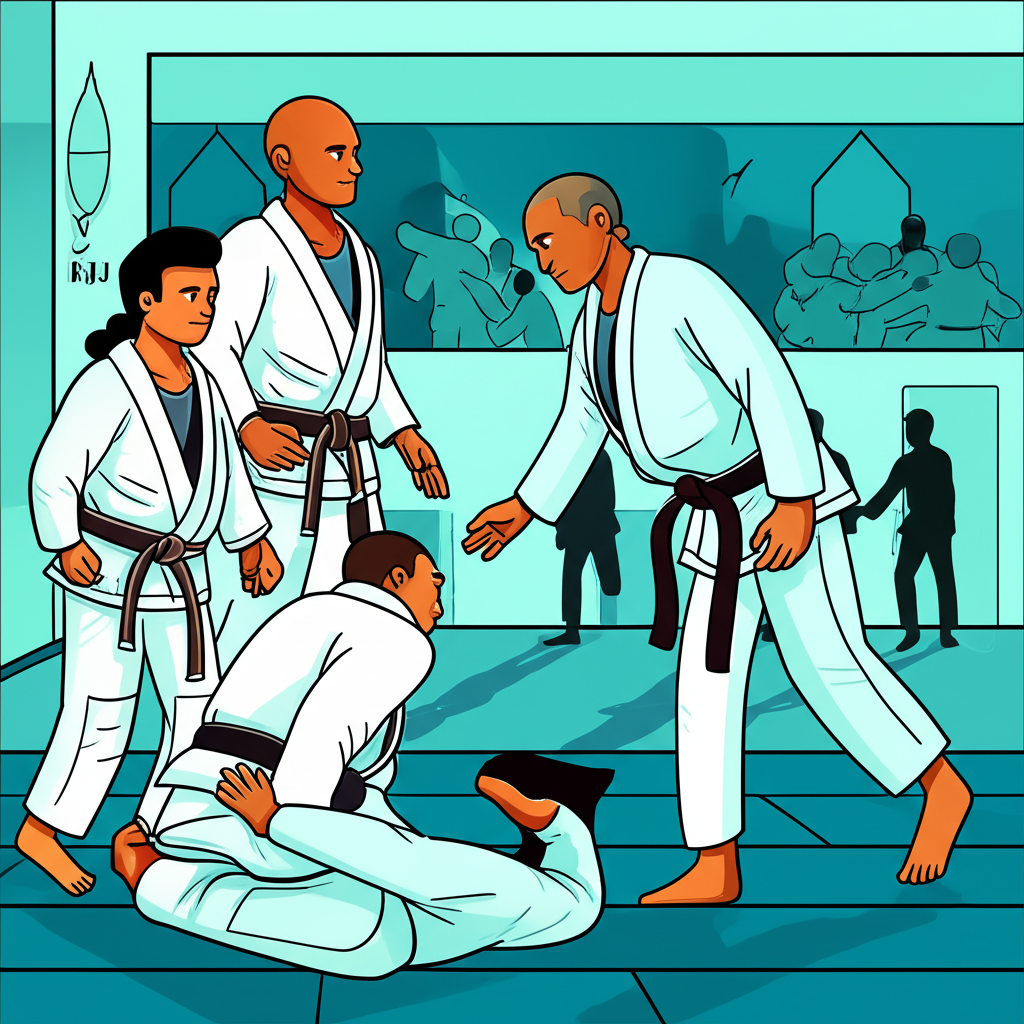
Real talk for older beginners - the unique challenges, advantages, and strategies for starting Brazilian Jiu-Jitsu later in life.
If you're thinking about starting BJJ and you're not in your twenties anymore, you're not alone. In fact, the "older beginner" might be the most common new practitioner in many gyms. There's something about approaching middle age that makes people think: "I should probably learn how to defend myself, and also I need a hobby that isn't sitting on the couch."
Here's what I wish someone had told me when I started at 35.
The Hard Truth: Recovery Is Different
Let's get this out of the way first. Your 35-year-old body does not recover like your 20-year-old body did. This isn't pessimism - it's planning material.
When I started, I wanted to train every day. I lasted two weeks before my body essentially shut down. Everything hurt. I was exhausted at work. My wife asked if I was getting sick.
What Actually Works
- 2-3 training sessions per week is often optimal for older beginners
- Sleep becomes non-negotiable - 7-8 hours minimum
- Recovery work (stretching, mobility, light exercise on off days) isn't optional
- Listening to your body takes priority over your training ambitions
This doesn't mean you'll progress slower than younger people - actually, the opposite is often true, because you're training smarter and more consistently.
The Hidden Advantages
Everyone talks about the disadvantages of starting older, but rarely about the advantages:
You've Learned How to Learn
You've probably acquired skills before - maybe professionally, maybe hobbies. You know what it takes to learn something new. You won't panic when progress isn't linear. You've developed patience.
Your Ego Is (Hopefully) More Manageable
Being tapped by a younger, smaller person is going to happen. A lot. But at this point in life, you've probably had enough humbling experiences to handle this. Younger practitioners often struggle more with ego because they're still building their identities.
You Know What You Want
You're not here because your parents signed you up, or because you want to be a professional fighter, or because it seemed cool. You chose this deliberately, which means your motivation is more durable.
You Have Perspective
BJJ isn't your whole life. You have a career, maybe a family, other interests. This perspective is actually valuable - you're less likely to burn out or get obsessed to an unhealthy degree.
Training Differently
Roll Smarter, Not Harder
Young practitioners can often recover from sloppy, high-intensity rolling. You cannot. This means:
- Choose training partners wisely (avoid the spazzy white belts)
- It's okay to say "let's flow"
- Technique > intensity in every roll
- When you're tired, stop
Prioritize Defense
Getting injured early in your BJJ journey can end it before it really begins. Focus first on:
- Tapping early
- Proper escape mechanics
- Protecting your joints, especially knees and shoulders
- Recognizing danger before it becomes damage
Warm Up Properly
That 5-minute warmup the 22-year-olds sleepwalk through? You need 15 minutes minimum. Get there early and do your own warmup if necessary.
Common Injuries and How to Avoid Them
Ribs
Rib injuries are extremely common in older beginners. Prevention:
- Learn to breathe under pressure
- Strengthen your core
- Don't let training partners stack you without defense
Knees
Knee injuries are career-enders. Prevention:
- Be very careful with leg locks (tap early)
- Don't let your foot get caught while you rotate
- Strengthen the muscles around the knee
Lower Back
Compression, hyperextension, rotation - your back takes a beating. Prevention:
- Learn to hip escape instead of rotating under pressure
- Don't stack onto your neck
- Maintain a strength training routine
Shoulders
Armbar and kimura defenses gone wrong destroy shoulders. Prevention:
- TAP EARLY (sensing a theme?)
- Don't reach back wildly when in trouble
- Strengthen rotator cuffs
The Long Game
Here's the reality check: If you're 35 and you train consistently, you might be a blue belt at 37, purple at 40, brown at 45, black belt at 50.
That sounds like a long time. But you know what's also a long time? The rest of your life without BJJ.
I've watched people my age progress from brand new to legitimate, skilled practitioners. It takes time, but so does everything worth doing.
Social Dynamics
Walking into a room of mostly younger people and being completely incompetent can feel strange. Here's how to navigate it:
Be Humble but Not Self-Deprecating
You don't need to apologize for being older or inexperienced. Just be a good training partner.
Ask Questions
Your younger training partners often love explaining things. Use them as resources.
Find Other Older Practitioners
Every gym has them. They're your people. They understand the unique challenges.
Be a Good Training Partner
Show up consistently, train safely, be respectful. This matters more than your belt color.
Managing Life Around Training
Family Buy-In
If you have a partner and/or kids, they need to understand your new commitment. BJJ can easily become all-consuming, which isn't healthy for relationships. Set boundaries early.
Work Considerations
You're going to be tired and sore sometimes. Try not to start BJJ during your most demanding work period.
Financial Reality
Gym memberships, gis, seminars, open mats - it adds up. Budget for it.
Should You Actually Do This?
After reading all of this, you might be second-guessing yourself. Let me give you the other side:
I've never met an older practitioner who regretted starting - only ones who regretted waiting longer.
Yes, it's hard. Yes, it takes longer than you want. Yes, you'll get tapped by someone half your age.
But you'll also discover capabilities you didn't know you had. You'll build a community. You'll learn something new every session. You'll get fitter. You'll handle stress better. You'll walk into any situation with a quiet confidence that you can take care of yourself.
The question isn't whether it's hard. The question is whether it's worth it.
For most of us, the answer is: more than we ever expected.
Practical First Steps
- Research gyms - visit several, watch classes, look for older practitioners
- Get a physical - make sure you're healthy enough to start
- Start slow - 2x per week maximum for the first month
- Budget for gear - you'll need a gi, possibly no-gi gear, mouth guard
- Tell your support network - they need to know you're taking this on
- Set realistic expectations - progress will come, but not immediately
Welcome to the journey. It's going to be harder and more rewarding than you imagine.
LEVEL UP YOUR BJJ GAME
Track your training, log techniques, and watch your progress unfold.
Try BJJChat Free